
LIVING SPACES / DISPLAY DESIGN
The right video wall begins with the room you want to live in. Before comparing brands or pixel pitches, decide what the screen should make possible.
A living room that becomes a cinema at night has a different brief from a dedicated theater or a wall devoted to digital art. A useful first design connects the image to the furniture, daylight, speakers and architecture. It gives every supplier the same problem to solve.
IN THIS ARTICLE
01
Begin with the room and the closest seat.
Measure the usable mounting wall, ceiling height and distance to the closest viewing position. Include doors, windows, fireplaces and the space speakers need. The screen must work with the room’s circulation and sightlines, rather than simply occupy the largest available rectangle.
Then choose the experiences that matter: films after dark, sports in daylight, gaming, artwork or a mixture. View a proposed image width from the actual seats. A larger diagonal can feel impressive in a rendering while placing subtitles or the top of the image uncomfortably high.
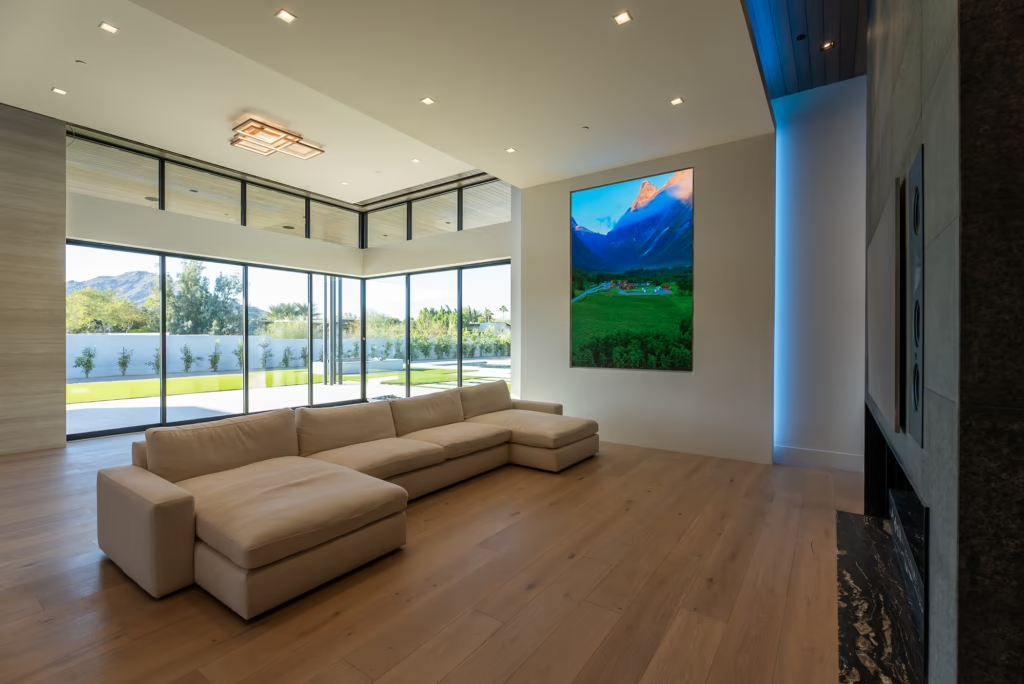
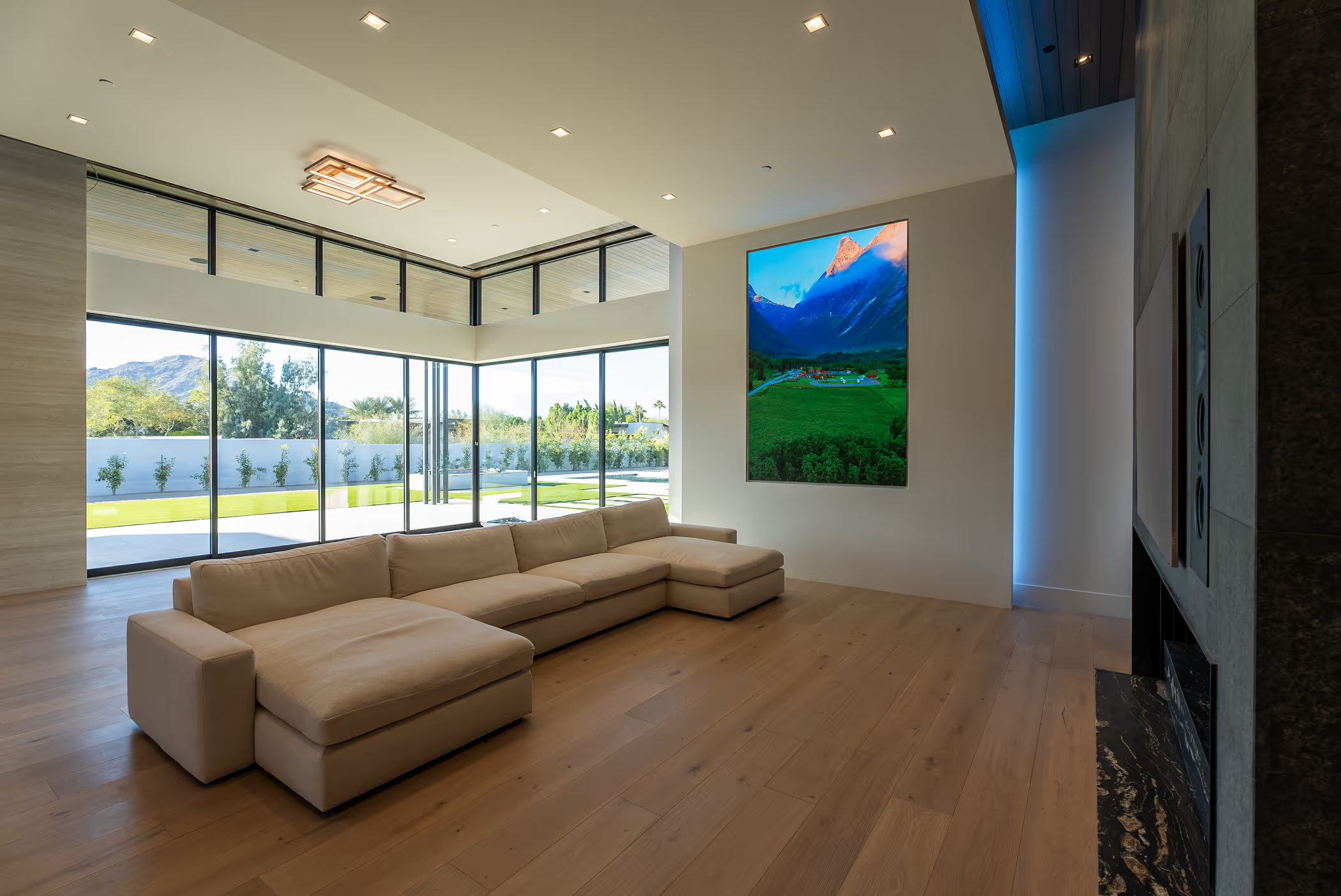
A JVW manufacturer room image showing a display used as art. This is inspiration, not a Malibu Wired project photograph.
02
Compare complete systems, using the same brief.
Ask each proposal to state the active image width and height, native pixel resolution, exact product and pitch, processing, mounting, power and service access. Request a demonstration with familiar films, skin tones, dark scenes and the sort of daylight the room actually receives.
Our display conversations include JVW, Barco and Planar. JVW offers a home-focused starting point through its custom work and Lunar product range; Barco has distinct residential and wider LED platforms; Planar offers multiple cabinet technologies and application-specific families. Select a specific system within a brand, then compare the full installed scope.
With JVW, Lunar Phase is a product name; JVW means Just Video Walls. The current Phase catalog includes nominal 0.9 and 1.2 mm options and several formats. Labels such as Phase 3840 and 7680 describe performance tiers in the range; they do not mean every cabinet array has that many native pixels across. Confirm the actual array and quoted specification.
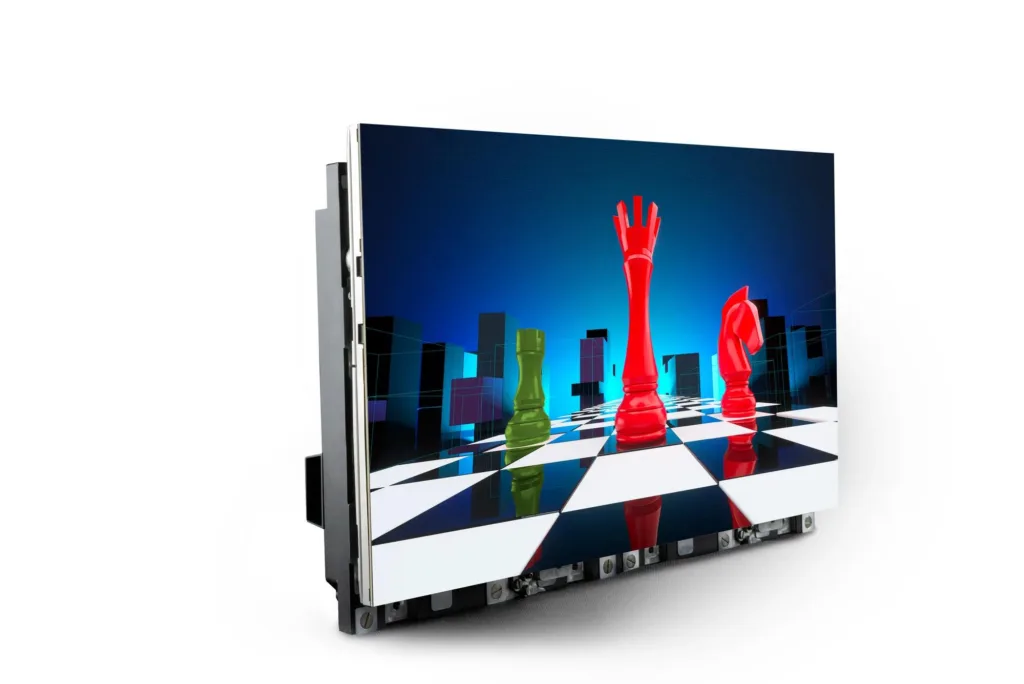
Barco TruePix product imagery. The quoted product and complete system determine the final design.

Planar Komodo cabinets. Cabinet geometry is part of the comparison, alongside the finished experience.
One room, more than one use.
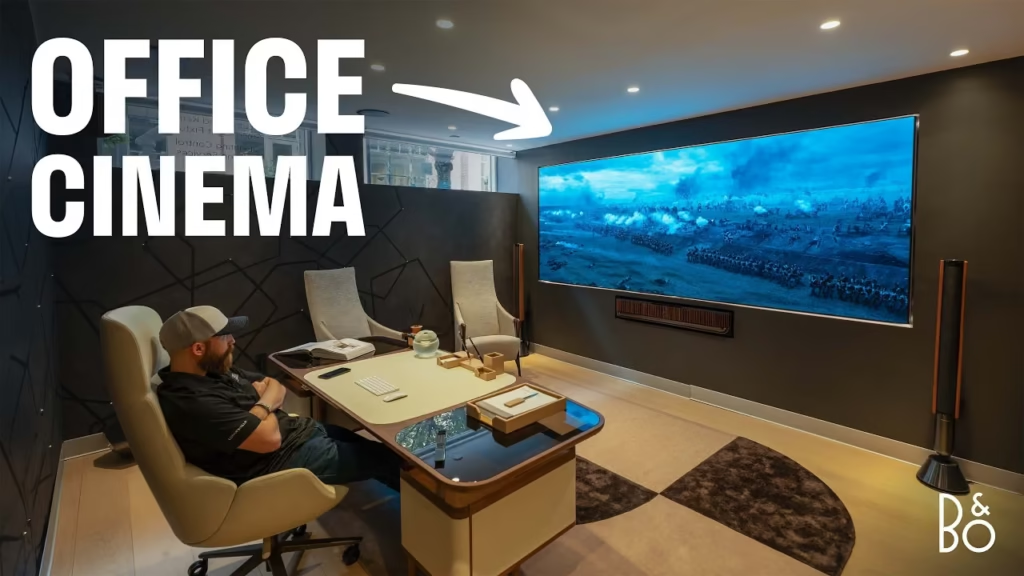
JVW’s tour of a home-theater and office setting at Bang & Olufsen Boston. A custom-room example, not a Lunar Phase model specification.
03
Choose the format before chasing a resolution label.
A 16:9 canvas suits television, sports and many games. A wider cinema canvas can make sense for a film-led room, but content arrives in different aspect ratios. Discuss scaling and masking so the system handles those changes deliberately; a wider screen does not make every program fill it without cropping or stretching.
There is also a different route to an ultrawide image. Planar 21by9 is a single LCD display with quantum-dot Mini-LED backlighting, offered in 81-, 94- and 105-inch sizes with 5,120 × 2,160 resolution. It is not a modular direct-view MicroLED wall. Its fixed enclosure can suit an ultrawide brief, while access routes and mounting still need checking.
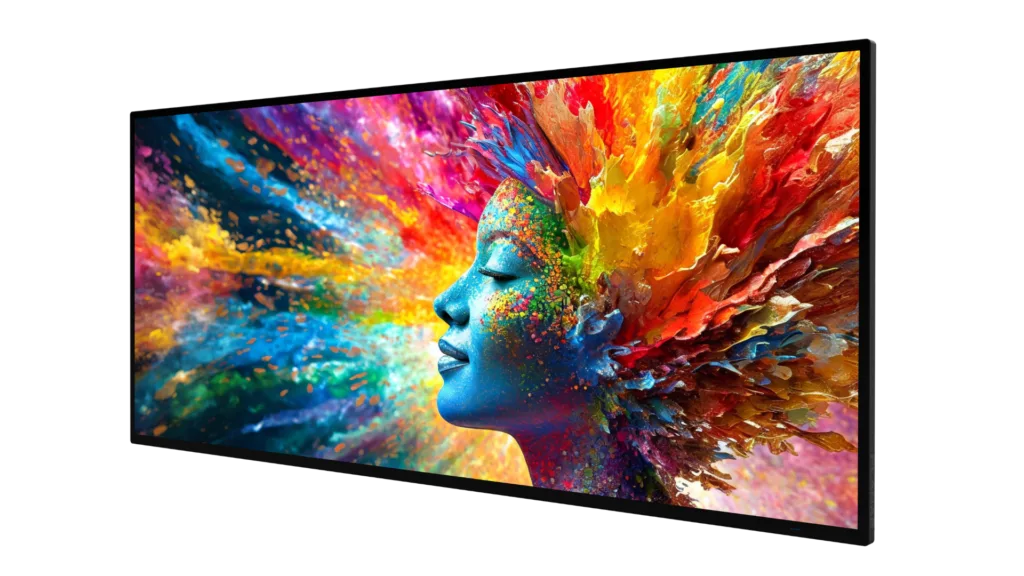
Planar 21by9: a fixed-format LCD alternative, shown in official manufacturer imagery.
See the ultrawide alternative.
Planar’s 21by9 presentation. Mini-LED here describes the LCD backlight, not a modular LED image surface.
Ask how the system arrives.
JVW was founded by integrators, and its line-up now includes the competitively positioned JVW Pro range alongside Lunar Walls and flagship Autograph. Ask which product is specified, what is calibrated before shipment, and who handles commissioning. Lunar Walls describes pre-shipment checks, brightness and color calibration, and programmed processing presets.
04
Turn inspiration into a useful first configuration.
Use our configurator to explore room dimensions, seating distance, screen size and cabinet count for supported LED models. Treat the result as an early design study. It does not establish structural loading, electrical design, ventilation, exact color performance or a final installation price. Planar 21by9 and architectural LED shapes require a separate discussion.
Save a promising layout and choose Discuss this configuration. The room and display settings travel with the inquiry, so you can add your name, email and a few notes without assembling a technical brief from scratch. A room photograph and your priority—cinema, everyday entertainment or art—give us a practical place to begin.
Original manufacturer resources.
Manufacturer information checked October 16, 2026. Confirm the exact model, availability and complete system specification for your project.
Start with your space.
Share your room, preferred image size and the experiences that matter most. We will use those details to shape the next design conversation.