
DISPLAY DESIGN / BARCO
A Barco video wall can belong to a bright living space or a carefully controlled private cinema. The first decision is which experience—and which Barco platform—the room calls for.
A brand name and a 4K label do not yet describe an installation. The product family, physical canvas, playback system and service plan shape both the picture and the building work around it. A clear brief keeps these decisions connected.
IN THIS ARTICLE
01
Match the product path to the room.
Barco’s residential range distinguishes dedicated cinema from broader home entertainment. Its 2026 portfolio includes Runar HDR and Runar DCI, alongside TruePix Bifrost TP-I and Vali NT-I. These names describe different product paths, not interchangeable versions of one wall.
Runar HDR is intended for the residential HDR ecosystem without the DCI playback infrastructure required by the DCI route. Barco lists Native 4K and Cinemascope versions. For a project inquiry, identify the actual sources, room conditions and cinema requirements before specifying a model or promising a playback capability.

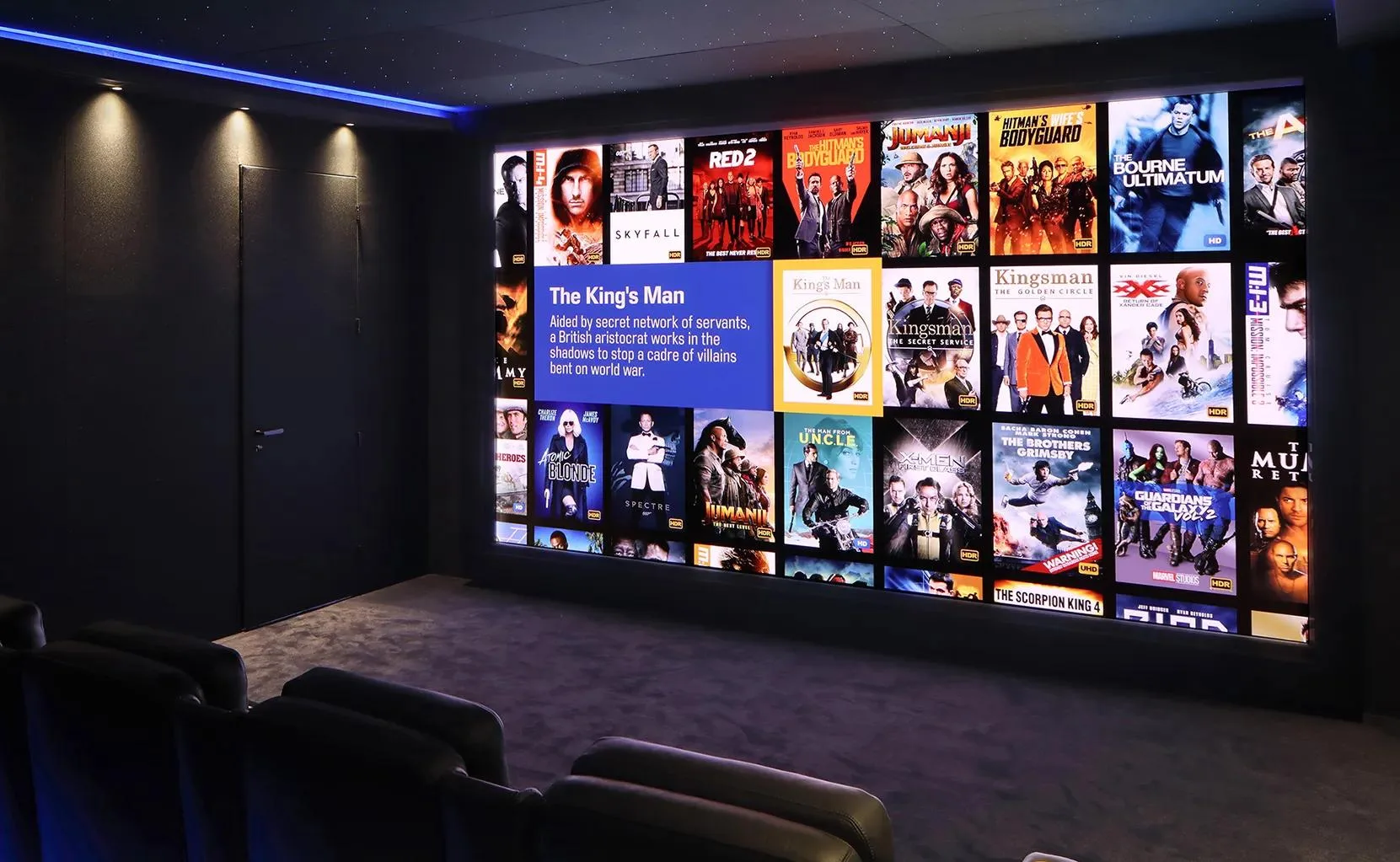
A home cinema pictured in Barco’s 2026 residential announcement. Manufacturer imagery.
02
The same native pixels can occupy different wall sizes.
Cabinet geometry explains why two 4K proposals may need different mounting walls. A TruePix TP0.9-I cabinet has 640 × 360 native pixels over 609.92 × 343.08 mm. An NT0.9-I cabinet has the same pixel grid over 600 × 337.5 mm.
A six-column, six-row array therefore uses 36 cabinets and reaches 3,840 × 2,160 native pixels in either example. TruePix occupies approximately 3.660 × 2.058 m of active image; NT occupies 3.600 × 2.025 m. These are calculated image dimensions, excluding the mounting structure and installation clearances.
TruePix TP0.9-I
3.660 × 2.058 m
6 × 6 cabinets · 3,840 × 2,160 native pixels
Calculated active image, rounded
NT0.9-I
3.600 × 2.025 m
6 × 6 cabinets · 3,840 × 2,160 native pixels
Calculated active image
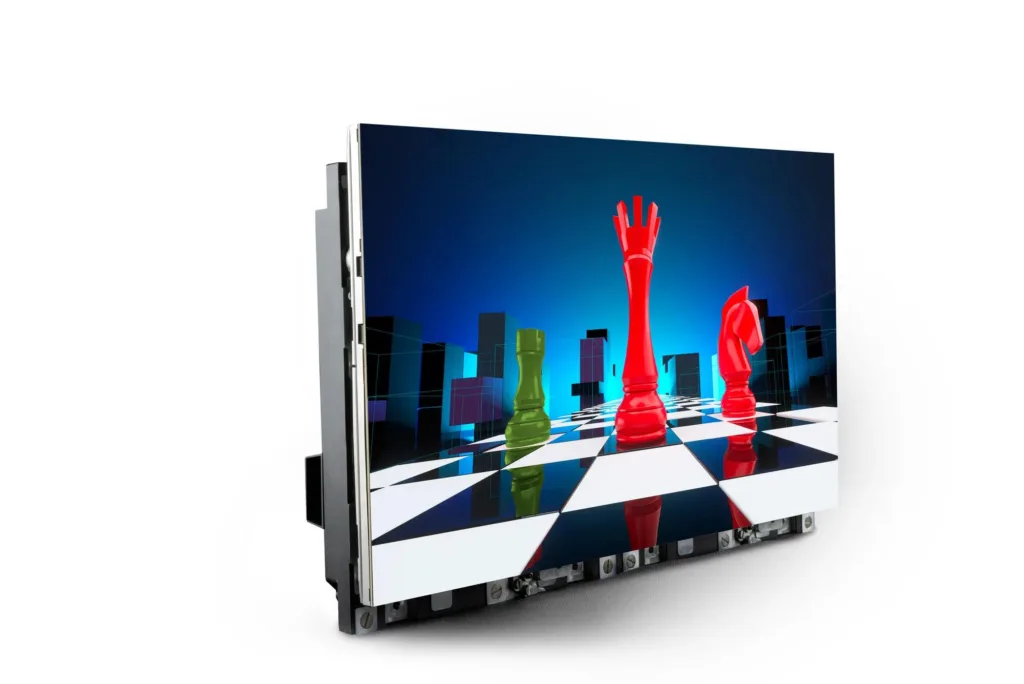
Barco TruePix product-range imagery. The NT calculation above uses a separate cabinet platform.
When the source is a cinema master.
For authorized DCP screenings, investigate Runar DCI rather than assuming any Barco LED wall is a digital-cinema system. Barco specifies DCI HDR certification to CTP 1.50 and 4,096 × 2,160 native pixels for its 17:9 Runar DCI configuration. The cinema server, security chain and any required distributor keys remain part of the system design.
03
Design everything behind the picture.
The wall structure must support the installed system and allow precise alignment. Power distribution, heat management and access for service need space of their own. The processor and source chain must handle the intended resolutions, refresh rates, formats and control behavior. A cabinet-only estimate leaves those decisions unresolved.
In a private cinema, plan speaker positions and acoustic treatment at the same time as the display. In a shared living space, test everyday viewing as well as the most impressive demo clip. Daylight, reflections, comfortable brightness and an unobtrusive night mode all influence the result.
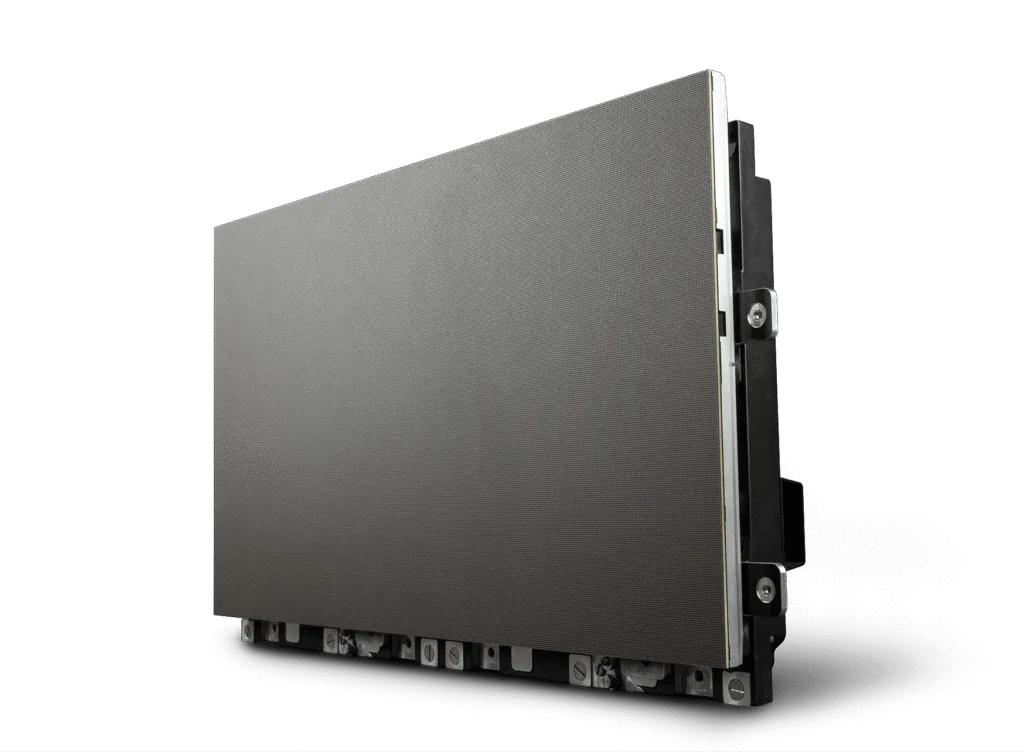
The TruePix cabinet platform in official Barco imagery.
04
Use the first layout to ask better questions.
The Barco options in our configurator provide an initial cabinet-layout study for supported TruePix and NT models. Runar HDR, Runar DCI and the full residential portfolio are not all selectable there. A planning model should never silently substitute for the specific residential system in a quotation.
Bring the room width, ceiling height, seating distance and preferred content to the first discussion. We can use that brief to establish a realistic canvas, then resolve exact hardware, sources, installation scope and service. Before committing, review the complete system proposal and an appropriate product demonstration.
Original manufacturer resources.
Manufacturer information checked October 16, 2026. Confirm the exact model, availability and complete system specification for your project.
Start with your space.
Share your room, preferred image size and the experiences that matter most. We will use those details to shape the next design conversation.