LIGHTING, CONSIDERED · PART 1 OF 2
By Vladimir Dzhuga
CEO of Malibu Wired
You rarely notice great lighting. You feel it.
Think about a hotel lobby that makes you slow down, or a restaurant where the table feels intimate and the room still has depth. The effect comes from how light is placed, balanced and controlled. The same thinking belongs in a home.
A useful starting point is three layers: ambient, task and accent. Each has a different job. Together, they let a room support everyday life while giving its architecture, art and materials room to be seen.
Three jobs. One room.
Ambient: the room around you
Ambient light gives you a comfortable sense of the space. It might come from carefully placed downlights, concealed light washing a ceiling, or a decorative fixture. The goal is a room that feels balanced when you walk in, without an unnecessarily bright ceiling or dark corners.
Task: light where life happens
Task lighting puts useful brightness where your eyes and hands are working: the kitchen island, a vanity, a desk or a favorite reading chair. Position matters as much as output. A beautiful fixture is less useful if your body casts a shadow over the work surface or its reflection lands in a mirror.
Accent: give the eye somewhere to go
Accent light reveals what makes the room particular: a painting, the grain of timber, a textured stone wall or a sculptural object. Direction and contrast draw attention. Aiming the light carefully, then balancing it against the surrounding room, is more useful than applying one brightness ratio to every piece of art.
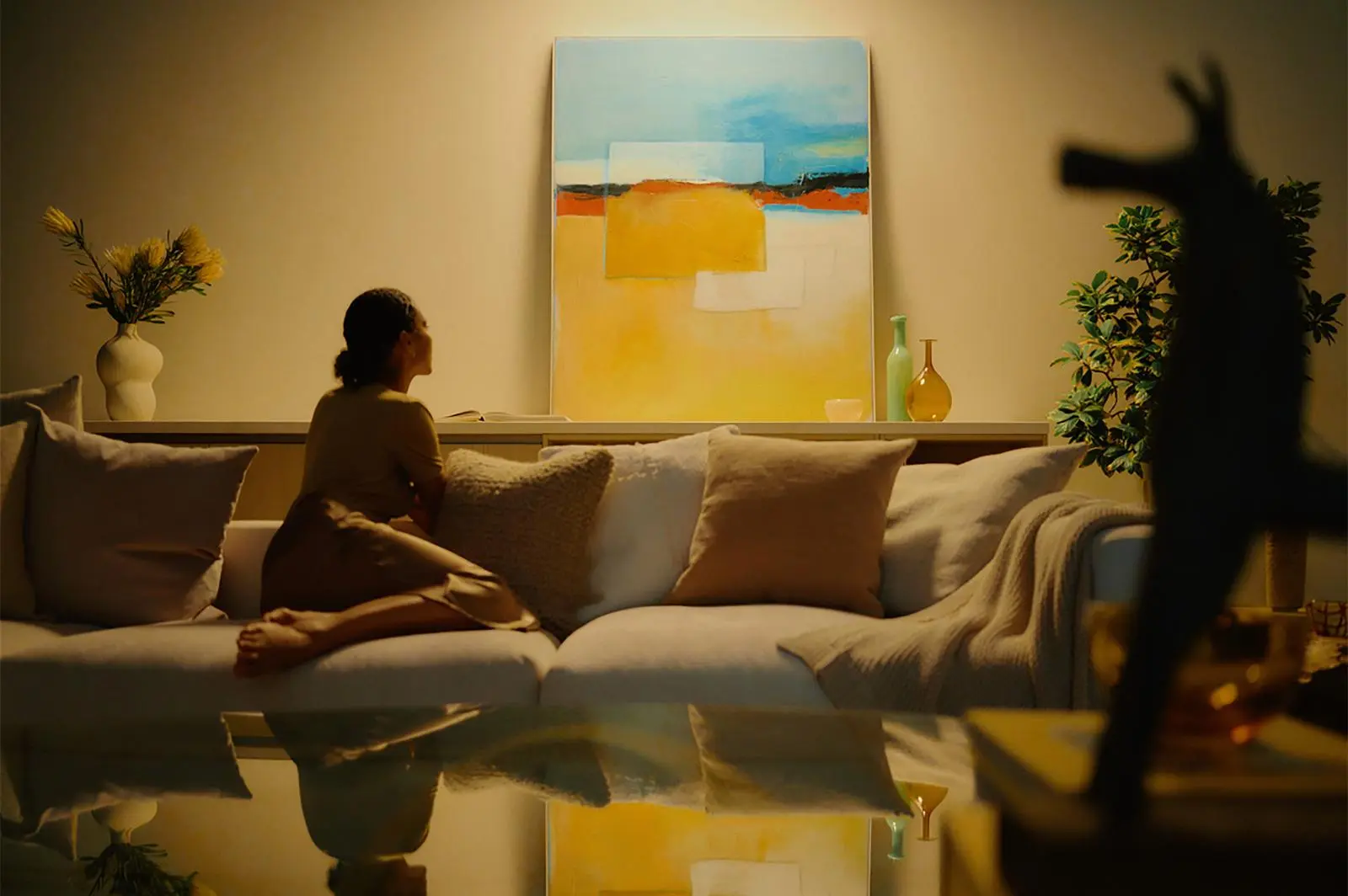
Corea Way, a Malibu Wired project featured in Lutron’s The Light You Feel campaign. Image courtesy of Lutron.
Design the balance, not just the ceiling
The layers describe purposes, rather than a shopping list of fixtures. One source can serve more than one purpose, and every room does not need an identical set of products. What matters is where the light lands, what you see from your usual position and how the room will actually be used.
Picture a great room with a kitchen, dining table and an artwork on the far wall. While preparing dinner, you may want clear light on the counters and enough general light to move comfortably. Later, the work surfaces can recede while the table and artwork become the focus. The architecture stays the same; the balance changes.
Separate control gives us that flexibility. We plan which sources should work together, which need their own adjustment and how low they should dim. With a well-considered control scheme, you can change the room without walking from switch to switch.

Daylight and the scale of the architecture are part of the lighting story at Genesee.
Daylight is a layer, too
Before adding electric light, look at the windows. Orientation, glazing and the time of day all change the room. A bright afternoon can bring welcome daylight to a dining area and uncomfortable glare to a nearby seat.
Shades let daylight become part of the design. Fabric, opacity, privacy and the relationship to the window need attention alongside the electric lighting. Lutron roller shades were part of our Genesee installation.
For a new build or a substantial renovation, these decisions belong early in the conversation, while ceiling details, shade pockets and wiring can still be coordinated.
A real home, considered as a whole
Corea Way is a Malibu Wired project featured in Lutron’s The Light You Feel campaign. The film brings the ideas in this article into a real home, showing how light shapes the experience of its architecture, art and materials.
The Light You Feel — Lutron’s campaign film featuring Malibu Wired’s Corea Way project.
Start with how you want to live
Bring the floor plan, the finishes you are considering and a short list of everyday moments: cooking, reading, entertaining and winding down. Include artwork, furniture positions and the rooms that matter most. Those details give a lighting conversation a useful starting point.
Malibu Wired designs, installs, programs and supports residential lighting systems. For projects taking shape now, our HomeWorks planning guide explains the decisions worth making before the walls close.
Next in the series: Scenes, Keypads and Ketra: Bringing Layered Light to Life — how to make a considered lighting design simple to use every day.