LIGHTING, CONSIDERED · PART 2 OF 2
By Vladimir Dzhuga
CEO of Malibu Wired
The same room should feel right for more than one moment.
In Part 1, we looked at ambient, task and accent light. Once those layers are planned, the next question is how you live with them. You should be able to cook, welcome friends or settle in for the evening without adjusting a long row of dimmers.
That is where scenes, architectural keypads and a light source such as Ketra come together. The controls make the design easy to reach; the light source determines what can change.
Vladimir introduces Ketra at Malibu Wired. A short introduction to the light source behind the experience.
One button, a considered scene
A scene brings selected lights, and compatible shades where included, to settings planned for an activity. It can balance several layers at once. The scene names and settings should come from the household, rather than from a generic list.
For example, a kitchen and living area might be planned around these three moments:
Cooking
Useful light on the island and work surfaces, with enough surrounding light to move between tasks comfortably.
Dinner
The table becomes the focus. Nearby task lighting softens, while selected art or architectural details keep depth in the room.
Goodnight
Selected rooms move to their night settings, with a softer route through the home where the design calls for one.
Daylight
Warm evening
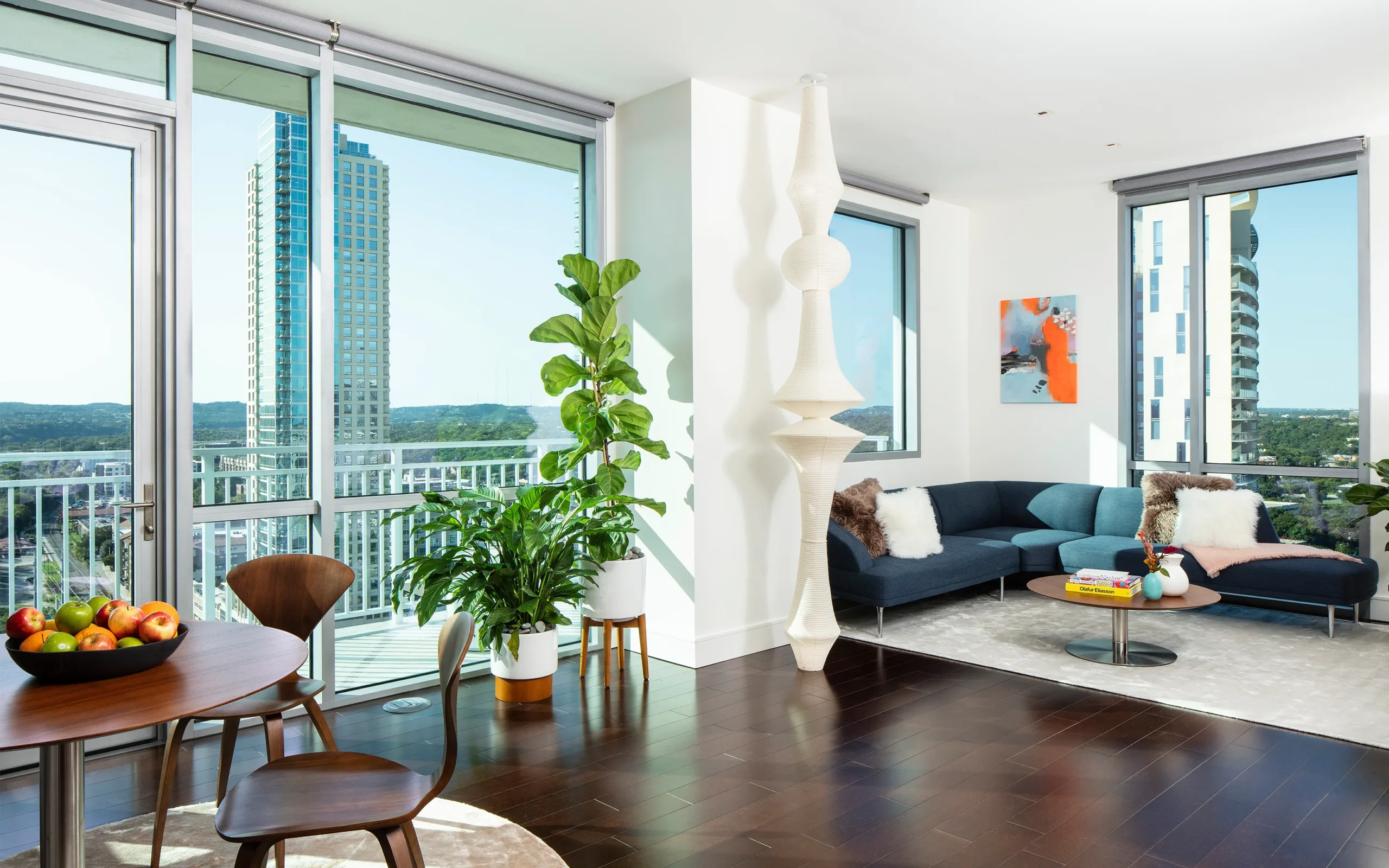
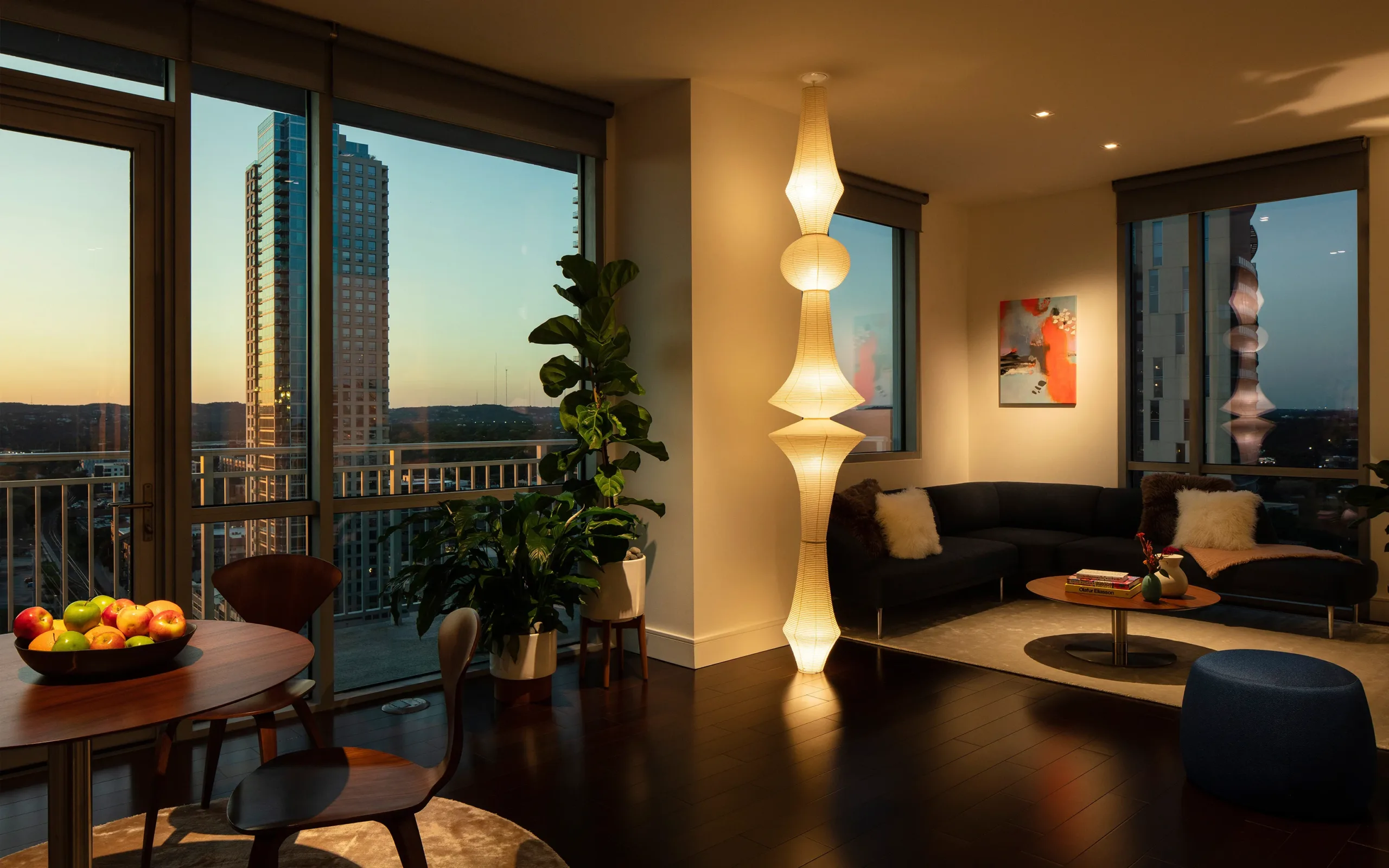
One room, two lighting moods. Downtown Hideaway, Austin. Images courtesy of Lutron; photography by Jake Holt.
These are starting points for a design conversation. We tune the agreed scenes in the finished rooms, including evening conditions, and adjust them around the furniture, finishes and way the home is used. You can still change the light yourself; a scene gives you a useful place to begin.
Keypads that belong to the room
A keypad is the part of the system you touch every day. Its location, finish, button layout and engraving deserve the same attention as other architectural details. Clear names make it easier for family and guests to choose the moment they want.

A Palladiom keypad in our Genesee installation. A compact control sits within the timber finish beside the illuminated wardrobe.
Name the experience
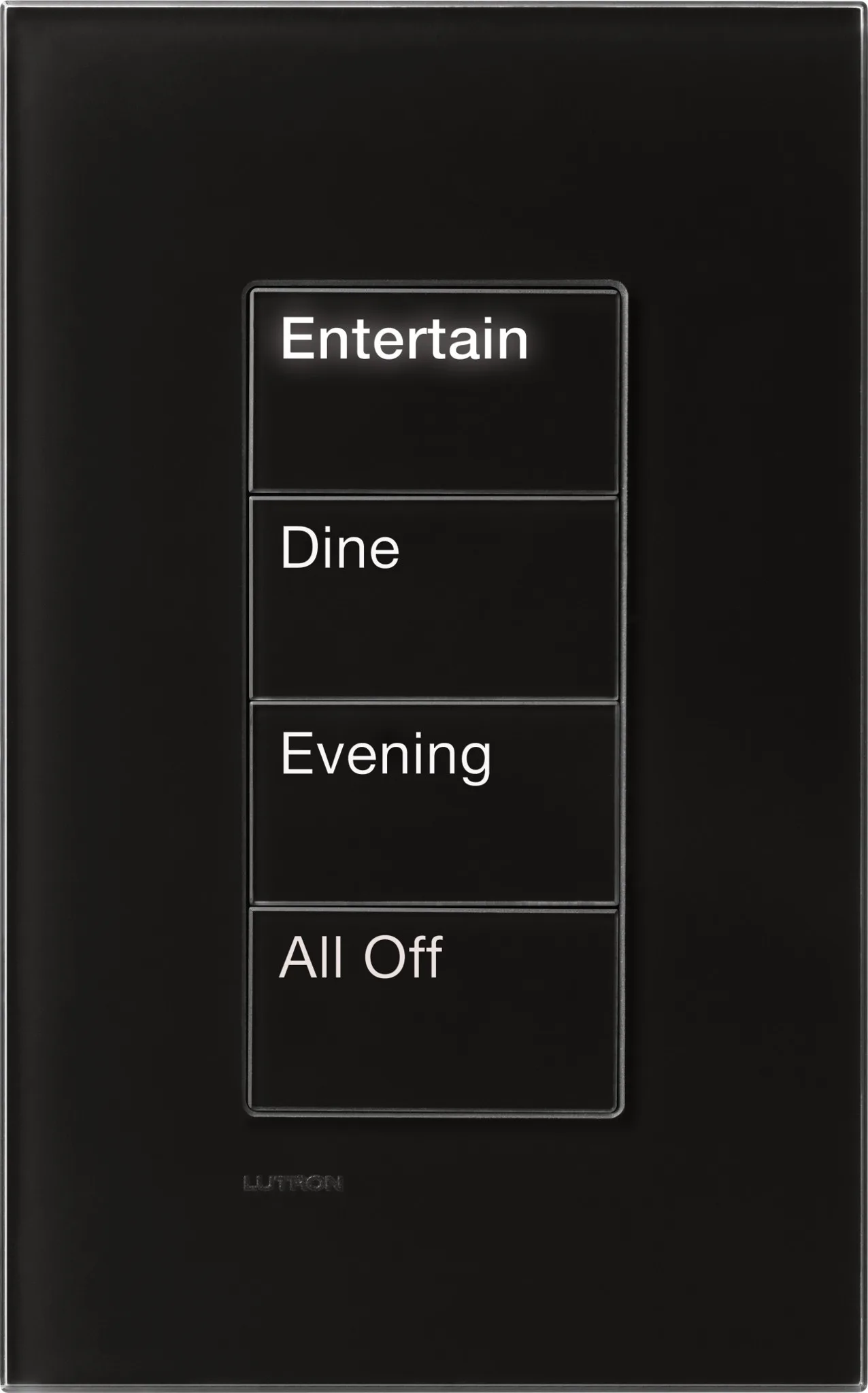
Lutron’s Palladiom keypad shows the idea clearly: Entertain, Dine, Evening, All Off. The labels describe what you want the room to do, rather than asking you to remember which circuit a button controls.
Palladiom and Alisse offer different approaches to architectural control. We review the exact collection, finishes, engraving and system compatibility with the project team. At Genesee, Palladiom was part of our installed scope.
Ketra changes the light itself
Dimming changes the amount of light. Ketra also lets us change its color and the character of white light. A room can move from a clear daytime atmosphere toward a warmer evening setting, while particular art or materials receive their own careful treatment.
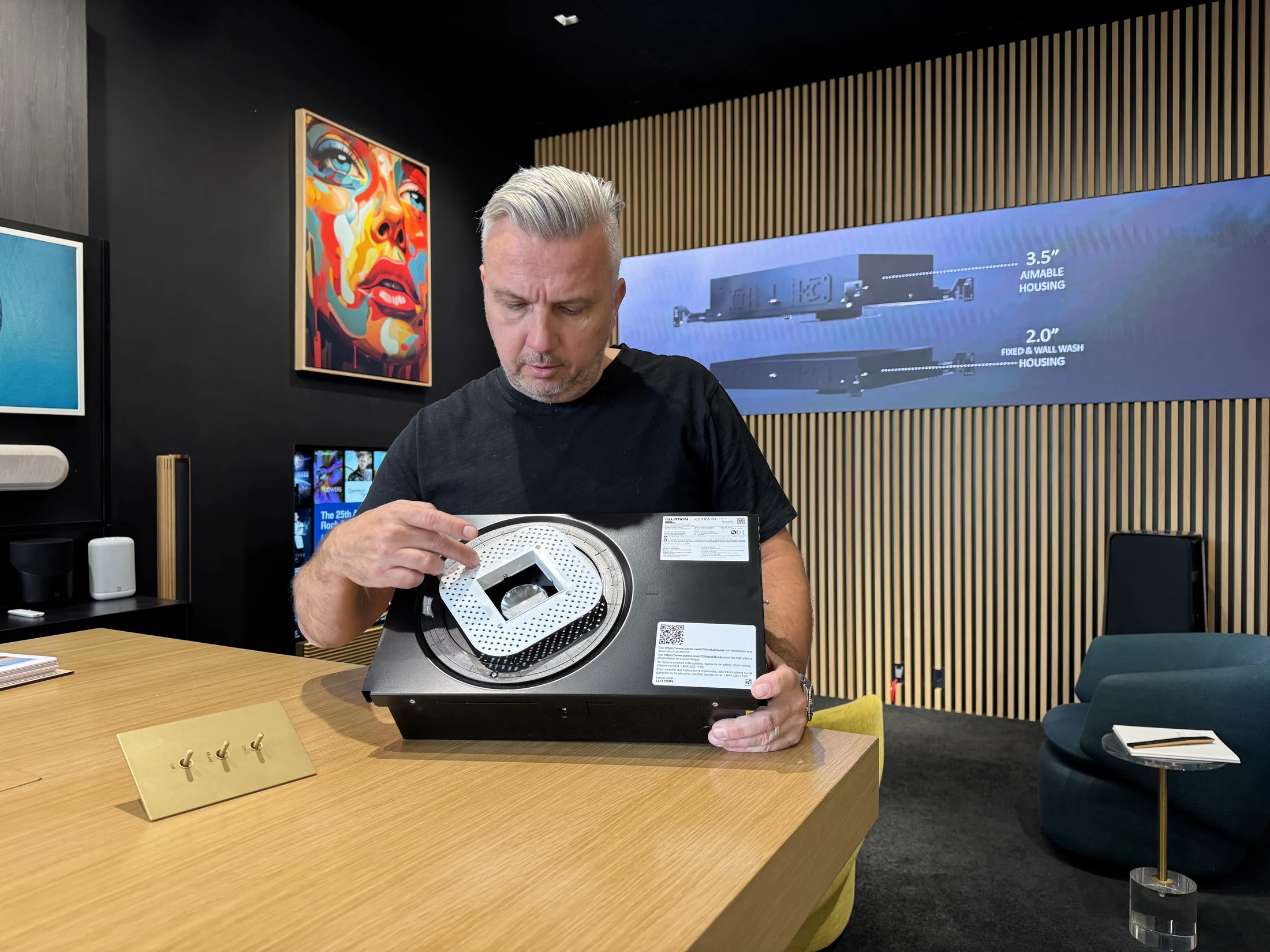
Vladimir demonstrates a Ketra D2 downlight assembly at the Malibu Wired showroom.
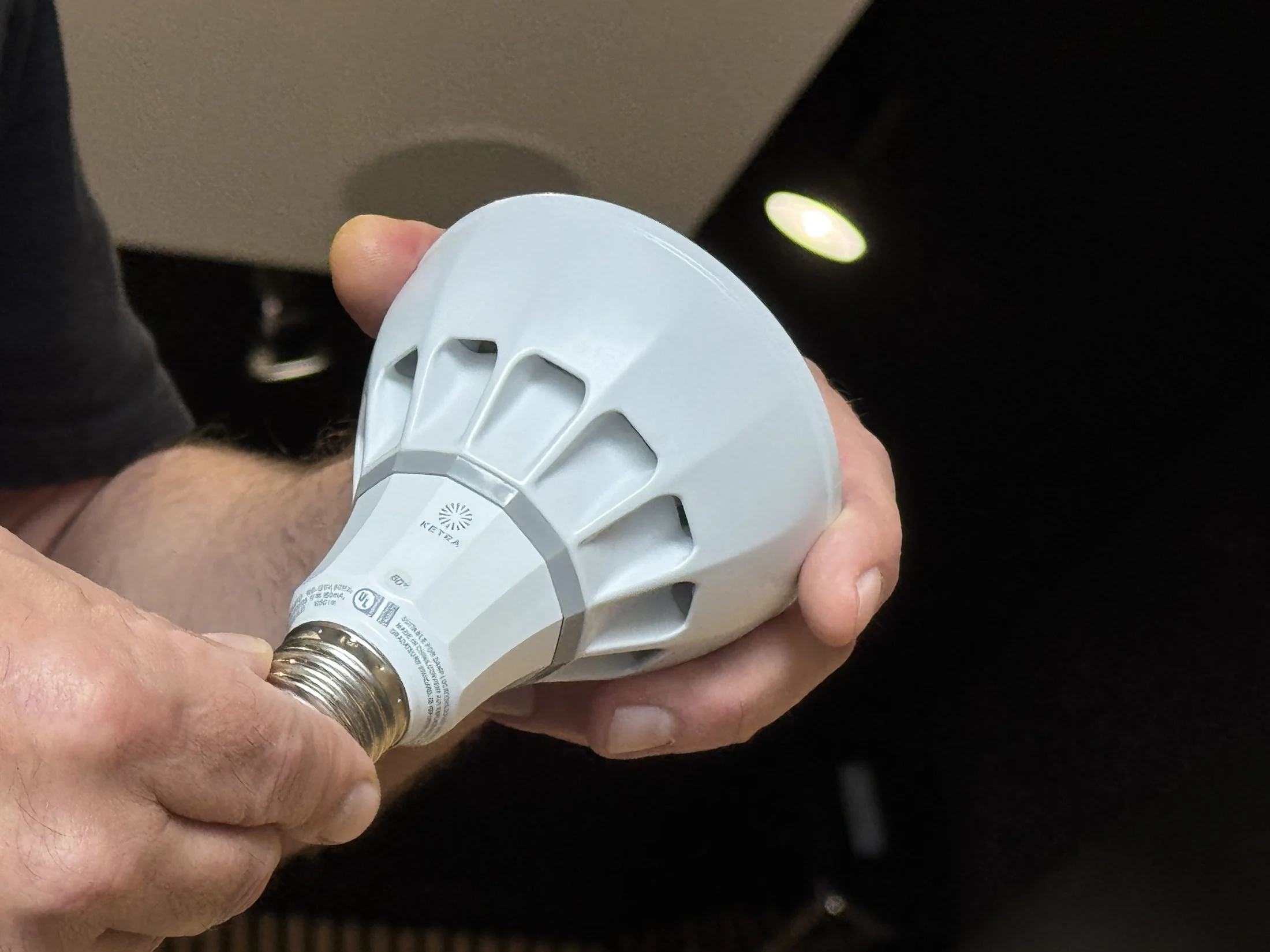
A closer look at a Ketra S30 lamp in Vladimir’s hands.
Different forms let us put that capability to work in different places. D2 is a recessed downlight family; S30 is a lamp used with compatible fixtures. Handling the products and reviewing their optics, installation requirements and intended application are part of choosing the right solution. At our showroom, that conversation can move from a photograph to the actual light source.
Lutron specifies a natural-white range of 1,400–10,000 K for Ketra, along with color control. The broad range gives the designer options; a successful room comes from choosing and tuning the settings that suit it. Our guide to Ketra, art and materials looks more closely at that process.
For a complete home built around Ketra, we plan the compatible HomeWorks system, keypads, light sources and shades together. Lutron systems support different device combinations, so HomeWorks and RadioRA 3 are not interchangeable specifications.
Corea Way in The Light You Feel
Lutron featured Corea Way, a Malibu Wired project, in its The Light You Feel campaign film. Watch how layered light becomes part of the experience of a home, bringing its architecture, art and materials into focus.
Watch the Lutron film
The Light You Feel — Lutron’s campaign film featuring Malibu Wired’s Corea Way project.
Following the day. Responding to the room.
Intelligent lighting can work in several ways. A programmed daily schedule can gradually shift light through the day. An occupancy sensor can support an agreed response when a space is used or left empty. Daylight sensing, where specified, measures available light to inform a different kind of adjustment.
Those are separate design choices. They need appropriate hardware, compatible controls and programming that fits the room. A scheduled change is not the same as measuring live outdoor conditions. The aim is useful behavior you understand, with manual control available when you want it.
From the plans to the final scene
At Genesee, Malibu Wired brings together Ketra, centralized and wireless Lutron control, Palladiom keypads, occupancy sensors and Lutron roller shades. Our Genesee photographs throughout this series show that work in a real home.
For new construction and substantial renovations, our lighting work can span system design, electrical and panel work, installation, programming, final tuning and ongoing support. We establish the scope and coordinate responsibilities with the architect, lighting designer, general contractor and other trades.
The important decisions start before a button is engraved: which fixtures and drivers work with the controls, where wiring and panels belong, how shades meet the architecture, and what each room needs to do. Our HomeWorks planning guide is a useful next read while those decisions are still open.
Building or renovating? Bring us your plans and the lighting experience you want to create. We can discuss the right lighting system and next steps for your home.